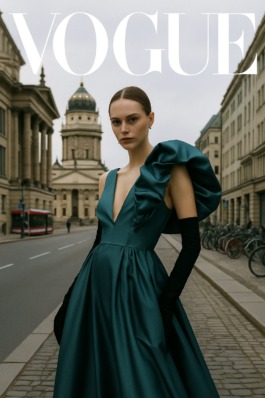
written by Miriam Dang | 07.11.2025
Berlin is not just a city; it’s a mood — defiant, creative, and beautifully imperfect.
Its fashion photography scene reflects this duality: gritty realism fused with avant-garde imagination.
Since the fall of the Berlin Wall, the city has become a blank canvas for creative reinvention. Abandoned factories transformed into studios, underground art collectives into fashion communities — and today, Berlin stands as one of Europe’s most experimental fashion capitals.
What sets Berlin apart isn’t luxury — it’s authenticity.
Where Paris and Milan worship elegance, Berlin celebrates freedom and individuality.
Berlin’s charm lies in its contradictions.
It’s industrial yet beautiful, minimal yet expressive.
Affordable studios, diverse communities, and a thriving subculture of artists have turned it into a magnet for fashion designers, photographers, and stylists from across the globe.
Fashion photographers here are storytellers — blending social commentary with aesthetics. Designers, in turn, find a creative ecosystem that values concept over perfection, message over materialism.
After the Wall fell, Berlin became a playground for artistic experimentation.
This post-reunification freedom redefined its creative identity.
Photographers began documenting not just clothes, but culture and emotion.
From underground fashion collectives in Friedrichshain to minimalist design houses in Mitte, Berlin’s fashion photography embodies a revolutionary visual language: one that’s unfiltered, socially aware, and deeply human.

Unlike the glossy perfection of Paris or New York, Berlin’s visual tone is gritty, raw, and emotionally charged.
Photographers often embrace natural light, urban backdrops, and texture-heavy scenes — celebrating imperfection as beauty.
You’ll see chipped walls, graffiti, fog, and concrete — yet every image radiates confidence.
Designers adore this style because it feels honest.
It reflects the creative process itself: messy, daring, and real.
Berlin’s fashion imagery often walks the line between avant-garde editorials and authentic street photography.
During Berlin Fashion Week, you’ll find both extremes — polished studio editorials juxtaposed with spontaneous street captures around Kreuzberg or Tempelhof.
This dynamic visual range is what makes Berlin’s photography scene so unique:
It’s not just about fashion — it’s about attitude.
Berlin offers a cinematic variety of backdrops — from brutalist architecture to serene parks. Each district has its own character, making it a photographer’s playground.
Known for its rebellious energy, Kreuzberg is the epicenter of streetwear and subcultural fashion.
Here, fashion shoots often unfold against graffiti walls, industrial bridges, and hidden courtyards.
This area’s rawness complements youth-focused campaigns and bold editorial projects.
In contrast, Mitte embodies Berlin’s sleek, minimalist side.
Its modern architecture and chic boutique spaces are ideal for high-fashion and conceptual shoots.
Think glass facades, clean lines, and monochrome color palettes — perfect for editorial spreads and brand lookbooks.
Few places capture Berlin’s sense of creative freedom like Tempelhofer Feld, a former airport turned public space.
Designers and photographers use its open expanses for experimental fashion shoots, drone imagery, and cinematic campaigns.
Abandoned warehouses and art spaces, especially around Neukölln and Wedding, provide a backdrop for gritty, avant-garde editorials that feel unmistakably Berlin.
Berlin’s photography scene thrives on individuality. Some artists are internationally acclaimed; others operate quietly in underground studios — but all share a deep commitment to storytelling through style.
Photographers like Ellen von Unwerth, Kristina Nagel, and Paul Ripke have helped define Berlin’s creative visual identity.
Their work merges sensuality with rebellion — often mixing humor, spontaneity, and a cinematic approach to fashion imagery.
They’ve captured campaigns for global brands while keeping that unmistakable “Berlin edge” — a mix of freedom, feminism, and fun.
Beyond the big names, Berlin’s strength lies in its independent creative spaces.
Studios such as Studio Chérie, Hertel Photography, and The Factory act as collaborative hubs where photographers, stylists, and designers develop new concepts that blur the lines between fashion, art, and activism.
These places nurture emerging talent and give designers direct access to photographers who understand how to visually express a brand’s soul.
Berlin Fashion Week has evolved into one of Europe’s most experimental fashion events.
Rather than focusing purely on luxury, it celebrates sustainability, inclusivity, and innovation.
For designers, it’s a perfect space to collaborate with photographers who capture the spirit behind the fabric — authenticity over opulence.
Other creative platforms, like Fashion Film Festival Berlin and Showfloor Berlin, provide stages where visuals speak louder than trends.
Fashion in Berlin doesn’t live only on the runway — it thrives in galleries and installations.
Spaces such as C/O Berlin, Kindl Center for Contemporary Art, and Kühlhaus Berlin regularly host fashion-related exhibitions that merge photography, performance, and political art.
These crossovers make Berlin’s fashion scene a cultural conversation, not just a commercial one.
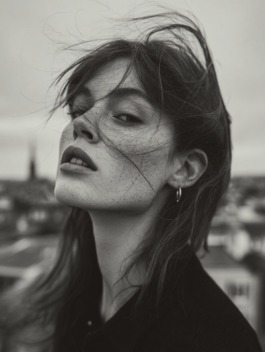
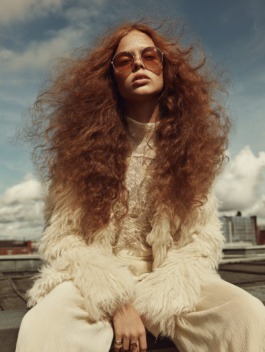
Collaborating with Berlin-based photographers can be an inspiring and transformative experience — but to get the best results, it’s important to understand the city’s creative rhythm and visual language.
Berlin photographers value authenticity and emotion above all.
They want to understand a designer’s vision — not just the garments, but the mood, the story, and the intention behind them.
Before a shoot, invest time in sharing your brand moodboard, tone, and target audience.
Don’t be afraid to discuss references that extend beyond fashion — film, music, architecture, and even politics often influence Berlin’s creative direction.
💡 Pro Tip: Photographers here respond well to artistic freedom. Instead of strict directions, describe the feeling you want the photos to evoke — “liberation,” “vulnerability,” “power,” etc.
Every strong editorial begins with alignment.
Before shooting, organize a collaborative session where you and the photographer review:
color palettes,
locations,
model casting,
lighting references,
and intended publication channels (magazine, portfolio, campaign).
Berlin’s creative professionals often use digital moodboards (Pinterest, Milanote) and shared drive folders to maintain open communication.
Remember: trust is the currency of Berlin’s fashion scene.
A well-prepared but flexible creative plan allows both designer and photographer to capture something unexpected — and that’s where the magic happens.
Berlin’s tech-driven mindset has deeply influenced its photography industry. The city’s photographers are among the first in Europe to merge AI, digital art, and virtual experiences with traditional fashion imagery.
Since 2023, many Berlin studios have adopted virtual fashion shoots — where models pose remotely and sets are built in 3D environments.
Drones are used for dynamic outdoor shots across iconic sites like Tempelhofer Feld or the Spree River, offering cinematic perspectives.
Meanwhile, digital styling tools allow designers to test how textures and fabrics behave under different lighting setups — reducing waste and production time.
This fusion of technology and artistry keeps Berlin ahead of the curve.
Artificial intelligence has redefined the post-production workflow.
From color grading and retouching to background generation, AI tools are helping photographers streamline processeswithout compromising artistic quality.
But in Berlin, AI isn’t replacing creativity — it’s amplifying it.
Many studios use AI-generated visuals as concept sketches for upcoming shoots or as part of editorial storytelling, exploring futuristic aesthetics that merge human and machine beauty.
As one local photographer put it:
“AI doesn’t take away the human touch — it forces us to redefine what authenticity means in fashion.”
A well-crafted portfolio is your creative passport. Whether you’re a designer, stylist, or photographer, it’s how Berlin’s agencies and clients will perceive your brand identity.
1️⃣ Range: Show diversity — editorial shoots, street style, conceptual projects.
2️⃣ Narrative: Every project should tell a cohesive story (mood + message).
3️⃣ Authenticity: Include behind-the-scenes moments or process shots — Berlin clients value transparency.
4️⃣ Collaboration: Highlight names and credits — models, makeup artists, stylists, photographers.
Your portfolio should make people feel something before they even analyze it.
💡 Pro Tip: Combine digital and printed versions. While online portfolios are vital, physical lookbooks or zines resonate deeply in Berlin’s tactile, art-oriented scene.
Berlin’s creative scene thrives on community. To gain visibility:
Join creative networks like GoSee, Berlin Photo Week, or FASHIONCLASH Europe.
Connect with local modeling agencies such as IZAIO Management, Iconic Management, or Most Wanted Models.
Showcase work on Behance, Instagram, and Models.com — tagging locations, collaborators, and events.
🖤 Pro Tip: Use both English and German hashtags:#fashionphotographyberlin and #modefotografieberlin.
This doubles your organic reach.

Q1. What makes Berlin’s fashion photography different from other cities?
Berlin’s scene blends raw street energy with conceptual editorial sophistication. It’s more experimental and socially aware than other European hubs.
Q2. Is Berlin Fashion Week worth attending for designers?
Absolutely. It’s a melting pot of innovation, sustainability, and cross-industry collaboration — the perfect place to meet photographers who think outside the box.
Q3. Where can I find fashion photography studios in Berlin?
Top creative spaces include Studio Chérie, The Factory, Crisp Studio and Blackbird Studios — all known for high-end lighting setups and artistic freedom.
Q4. Do I need a permit to shoot in public locations?
Most outdoor spaces are free to use, unless you’re blocking roads or filming in protected heritage sites. Always check local district regulations (“Bezirksamt”).
Q5. How can I connect with photographers in Berlin?
Start by attending local exhibitions, open studios, and photo walks. You’ll find most Berlin creatives open, collaborative, and curious.
Q6. What are the top photography trends in Berlin for 2026?
Sustainable fashion storytelling
Inclusive casting and gender-fluid styling
AI-assisted concept shoots
Documentary-style editorials
In Berlin, fashion photography isn’t just about showing clothes — it’s about capturing identity, resistance, and truth.
The city’s beauty lies in its imperfection, and that’s what makes every photograph feel alive.
For designers, Berlin offers a playground of contrasts — from Kreuzberg’s chaos to Mitte’s minimalism, from vintage factories to futuristic studios.
Whether you’re an emerging designer or an established creative, one thing is certain:
Berlin will challenge you, inspire you, and make your art more honest.
Because in this city, every lens tells a story — bold, raw, and unmistakably human.